
Life under occupation
Life was highly challenging for those who remained in Balakliia during the occupation. Immediately after seizing control of the town, Russian forces restricted movement in and out, establishing checkpoints, such as one near the music school, alongside roadblocks throughout the town. Regular street patrols were conducted, strict movement controls were imposed, and only a few individuals were permitted to leave their homes, even for medical treatment. Additionally, the occupying forces obstructed the delivery of medical supplies.
At these checkpoints, residents were required to present their passports and undergo searches. Young men, especially, faced heightened scrutiny, with some detained based on “suspicious” tattoos. In some instances, individuals detained at these checkpoints disappeared.
The layout of the Russian Armed Forces checkpoints in Balakliia shown on the map, was created using the capabilities of the I-DOC database.
Stories of those who remained in the town suggest that the newly installed administration sought to reinforce Russian narratives about the invasion and assert authority over the region by brutal means, creating an atmosphere of fear.
Information available in open sources indicates that as part of propaganda, the administration distributed a newspaper titled Kharkov Z. This name combined the Russian spelling of the Kharkiv Oblast with the “Z” symbol, which has become widely associated with the Russian invasion. Communication with the outside world was restricted, as cellular service was frequently unavailable. At the central market, propaganda materials depicted Ukrainian authorities as “Nazis,” “Ukronazis”, and figures associated with Stepan Bandera, accusing them of “oppressing” the population.
Overall, the information flow remained tightly controlled. Residents had access only to one radio station, alternating between Russian and foreign music. Between songs, directives were issued instructing civilians on how to behave under occupation. The broadcasts also included messages directed at Ukrainian soldiers, providing specific instructions on how to surrender, such as lying face down with their hands behind their heads. The use of the Ukrainian language was discouraged, with Russian becoming the enforced means of communication. Internet and television signals were jammed, leaving residents with limited access to information beyond the town. Meanwhile, basic utilities, including water and electricity, were intermittently disrupted for extended periods, further exacerbating the dire living conditions.
Security measures included frequent home searches and inspections of personal mobile phones. Carrying a phone became particularly dangerous, as any evidence of anti-Russian sentiment, such as pro-Ukrainian messages or contacts, could lead to detention.
The town remained under constant surveillance, with soldiers from the so-called Luhansk People’s Republic (LNR) playing a significant role in maintaining control. However, some Luhansk soldiers reportedly expressed reluctance about their deployment.
The humanitarian situation for the civilian population began to deteriorate in June 2022. According to some sources, Russian forces declared Balakliia part of Russia’s Belgorod region. However, there have been no official statements from the Belgorod regional authorities regarding the annexation of Balakliia. According to an alternative account, the Russian military administration in Balakliia likely spread rumours about the town's annexation.
By 8 September 2022, Ukrainian troops had successfully entered Balakliia, ending Russia’s occupation of the town.
During their escape, the Russian military left a flash drive with secret information and data of service members involved in the commission of war crimes in the town. Due to the rapid counteroffensive and the hurried retreat of the Russian soldiers, documents and evidence were left behind. The traces left by the occupation revealed that widespread human rights abuses had taken place. In addition, witnesses and survivors told stories of torture, unlawful detentions, kidnappings, and killings.
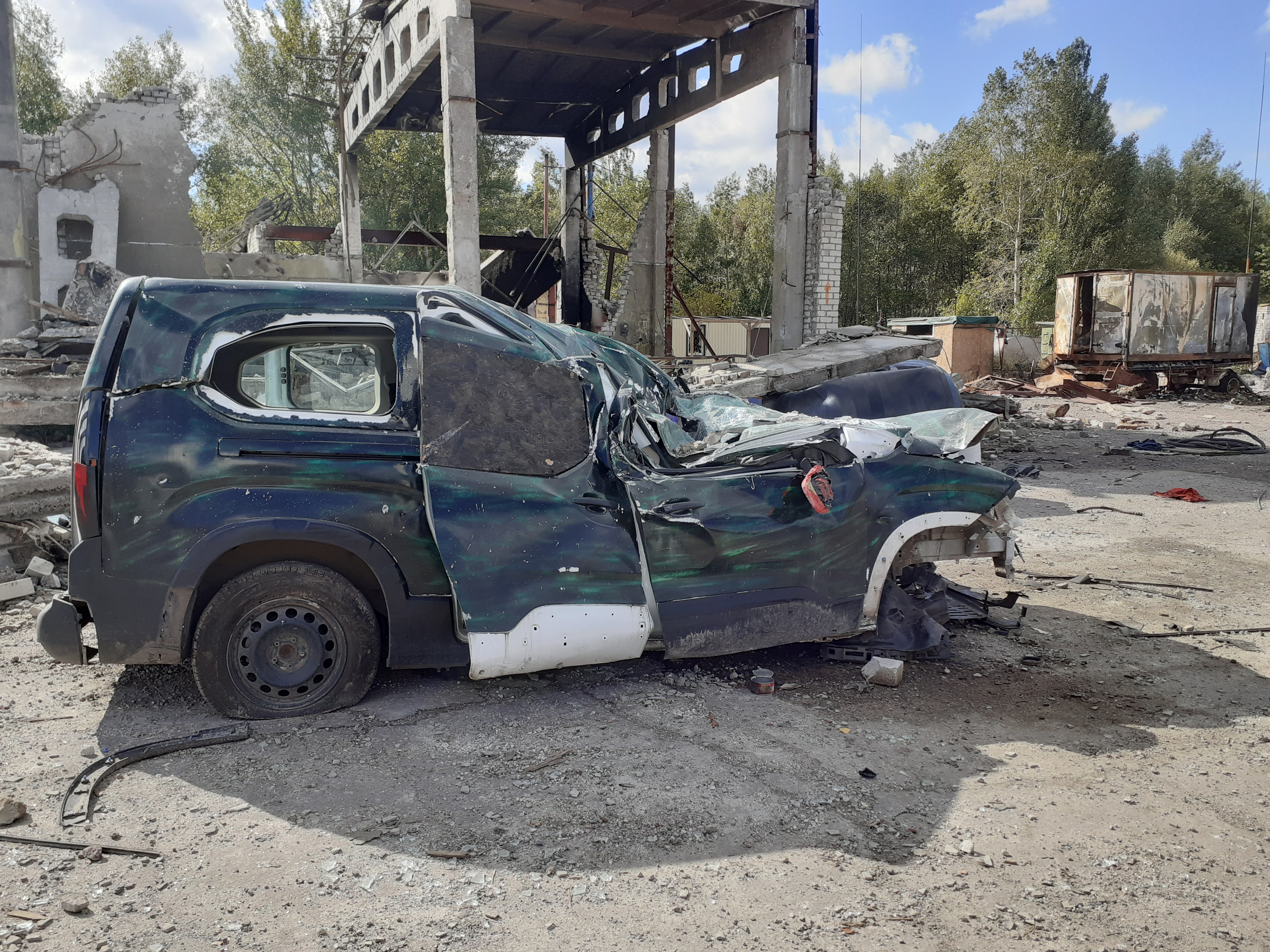
In addition to the humanitarian toll, the occupation, and subsequent battles substantially damaged infrastructure, including buildings, bridges, railway lines, and other critical facilities. Throughout the occupation, residents of Balakliia faced significant looting by Russian forces.