
The sanctions project
«We must be prepared for the pressure of Western sanctions to intensify.»
Vladimir Putin
«The war's outcome depends on the sacrifices of Ukraine and the help it gets from the democratic world. However, what Russia does not get is also important. The sanction coalition cannot continue to supply Putin's war machine.»
Aage Borchgrevink, Senior Adviser
Over the last twelve years, sanctions have become an essential human rights instrument. From the start, NHC has supported the transformative Magnitsky campaign (named after a Russian auditor who was killed in a Moscow prison in 2009 after exposing a corruption racket), which has culminated in the adoption of so-called human rights (targeted) sanctions mechanisms in several jurisdictions in the democratic world.
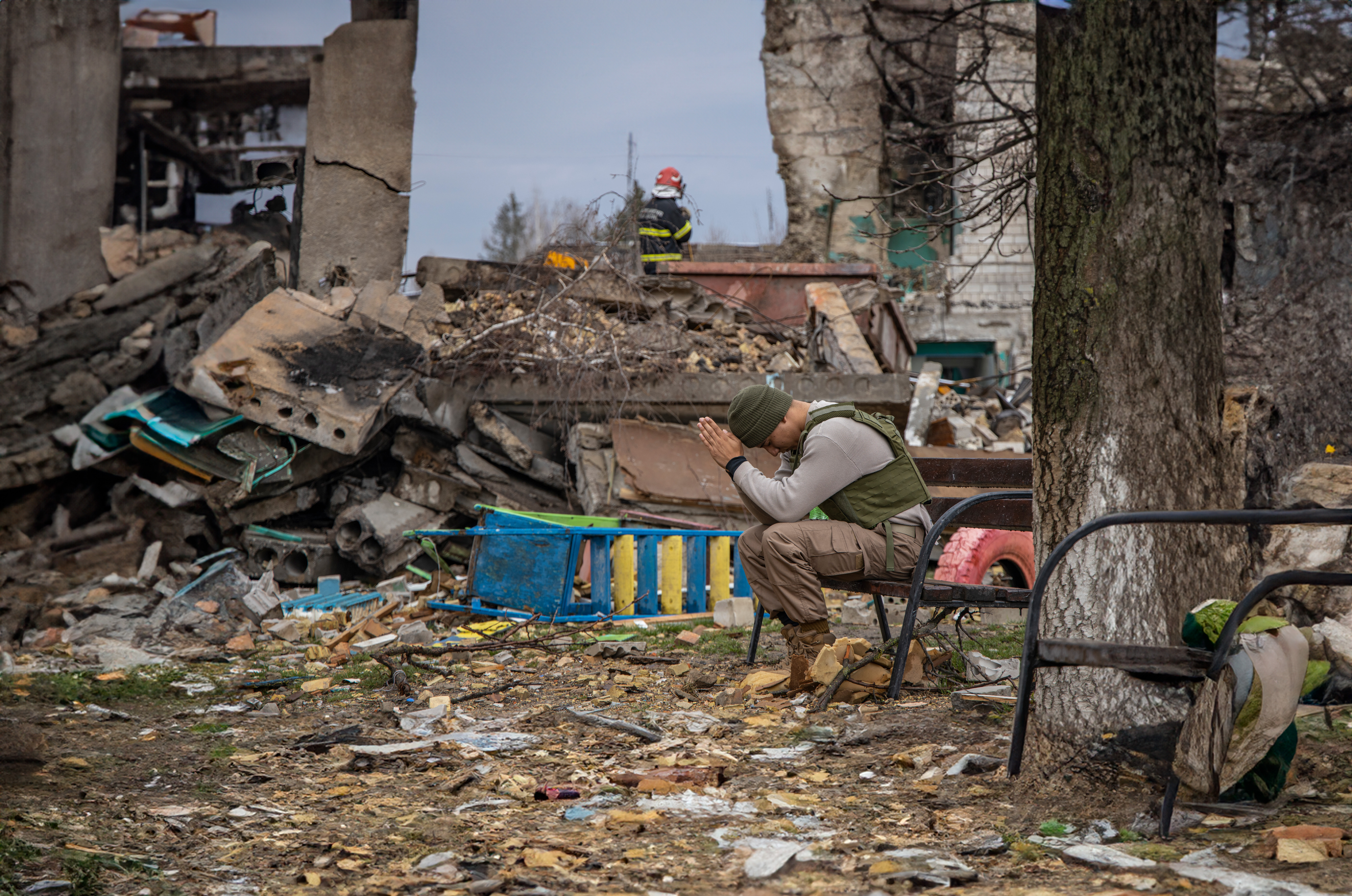
The Russia sanctions, established after the annexation of Crimea and the military attack on Eastern Ukraine in 2014, were expanded and strengthened after the large-scale invasion that started on 24 February 2022. The Russia sanctions are another legal and political milestone. They bring together financial measures and trade restrictions with targeted human rights sanctions against individuals and companies for a human rights purpose: To stop an illegal war characterized by grave international crimes.
For many years, NHC has submitted several cases to international human rights mechanisms worldwide, asking for sanctions against individuals responsible for human rights violations. NHC has also lobbied for new human rights sanctions laws, including the Norwegian sanction law adopted in 2021. Corisk is a Norwegian company doing groundbreaking work on gathering and analyzing data on violations of export controls against Russia. In partnership with them, the NHC implemented an extensive documentation and advocacy project in 2023 aimed at strengthening compliance with the Russia sanctions among Western companies and enforcement of sanctions in key jurisdictions.
NHC and Corisk, assisted by the leading Norwegian law firm Wikborg Rein and the consultancy group Rud Pedersen, published the groundbreaking report "The Russia sanctions as a human rights instrument: Violations of export controls regarding war-critical goods to Russia". Our Belarusian colleagues in Charter 97 translated the report into Russian and published it on their online news site.
The report shows substantial holes in the sanctions net, and export controls against Russia are circumvented to the amount of USD 1-2 billion per month. The illicit trade includes highly war-critical goods from the US-EU Common High Priority List, which contains more than 50 goods in high demand by the Russian military. Russia mostly imports sanctioned goods from Western countries via third countries. Russia’s military is dependent on Western technology, and Priority List items are goods and technologies that they should not receive.
We lobbied on four levels: Political, focusing on Germany, EU, Ukraine, and the U.S.; Media, mainly German media but also major Norwegian and English-language outlets; with police and on the prosecutorial level; and finally, with the business community, including investors.
We worked closely with German, Ukrainian, EU and U.S. government bodies during the year. Our material was used in several significant media investigations, including by Frankfurter Allgemeine Zeitung and Der Spiegel, which won a major German press award for the story where Corisk and NHC provided data on sanctions circumvention by German companies. and comments to the story. Op-eds were published with Der Spiegel, Al Jazeera and Norwegian daily Aftenposten. Our data and recommendations were discussed with two EU sanction packages, an EU Directive, and at least a European Parliament resolution. We were invited to the G7 expert meeting to present and held several meetings with stakeholders in Brussels, Kyiv, Washington, New York, and Berlin.
Read the report at the NHC web page.