
5. Democracy on the line
Disinformation, influence operations and hybrid warfare threaten democracies, undermine press freedom, and sabotage free and fair elections. Throughout 2025, the NHC continued to promote democratic values and support democratic forces in autocratic regimes and vulnerable countries.
In 2025, the NHC assessed elections in three OSCE participating states and remained an active member of the European Platform for Democratic Elections (EPDE). However, not only elections but also the overall conditions for opposition political parties, respect for fundamental freedoms, and the independence of the media and courts are important indicators of a healthy democracy. The NHC, therefore, as part of its democracy support, runs programmes to assist civil society organisations that promote democratic governance and civil and political rights.
The NHC 2025 Annual Meeting set a tone by issuing a statement that challenged the Norwegian government to establish a democracy programme to support activists, journalists, and lawyers fighting for democracy and the rule of law in the OSCE region. It added that emergency assistance to democracy should include increased support for the international legal order, such as the International Criminal Court (ICC), the Special Tribunal for the Crime of Aggression against Ukraine, and the introduction of provisions against the crime of aggression in the Norwegian Penal Code.
Much of the NHC’s activities in 2025 were part of a broad effort to promote democratic values and support democratic forces in the target countries, including projects in Central Asia, the Southern Caucasus, Belarus, Russia, Ukraine, and Türkiye. Even in Azerbaijan, Belarus, Russia, and Tajikistan, where state repression of opposition and civil society creates an environment that makes democracy promotion nearly impossible, the NHC continues to support what remains of democratic forces within these countries. Additionally, the NHC supports exiled activists, media outlets, and networks of lawyers who continue to promote democracy, human rights, and the rule of law from abroad. In Turkmenistan, only the activities of exiled groups are supported.
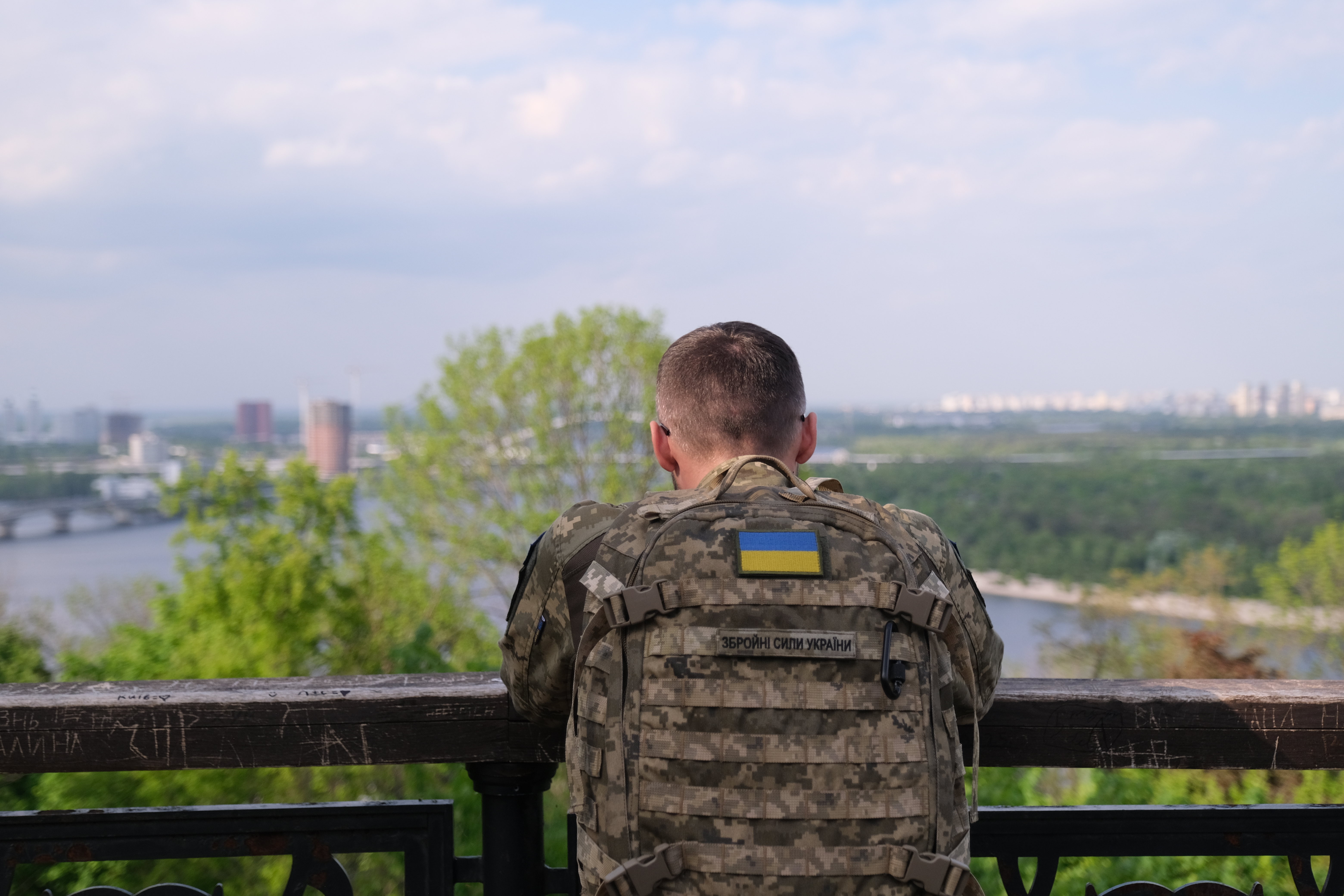
In particular, the NHC Nansen project for Ukraine aims to strengthen democratic governance by empowering civil society. It builds grassroots capacity to promote reforms and inclusive democratic institutions. Civil society in Ukraine has, since independence, been a strong driver of democratic progress, and the NHC project benefits from cooperation with Ukrainian partner organisations.
The conduct of free and fair elections is the litmus test of any democracy. In 2025, the NHC assessed the Parliamentary Elections in Moldova, Kyrgyzstan, and Tajikistan. In Kyrgyzstan and Tajikistan, the primary concern was a worsening human rights situation. Specifically, in Tajikistan, the elections took place amidst a severe human rights crisis that has been deteriorating over the past decade, including repression of opposition, civil society, media, and minority regions. The OSCE/ODIHR was unable to monitor the elections after being denied accreditation.
Kyrgyzstan’s snap elections in November, following the parliament’s unprecedented self-dissolution, were held amidst a deteriorating human rights situation that undermined the conditions for free and fair elections. The 2025 election law was amended five times, shifting from a mixed to a fully majoritarian system. Independent media, civil society organisations, and opposition voices faced severe repression, making meaningful democratic participation nearly impossible.
Parliamentary elections in Moldova on 29 September were closely observed by European governments, EU officials, and human rights organisations. The pro-EU Party for Action and Solidarity faced an opposition backed by Russia, which sought to influence the elections through interference. Ahead of the vote, Moldovan authorities uncovered a Russia-funded campaign involving vote-buying and manipulation. Ultimately, the pro-EU party achieved a decisive victory.
Russian efforts of disinformation and hybrid warfare were presented and discussed at the Anna Politkovskaya Forum 2025 on 7 and 8 October. Renowned Russian and Norwegian experts explained how Russian hybrid and information warfare challenge professional journalism. Russia’s war of aggression against Ukraine is complemented by hybrid operations targeting European countries that support Ukraine. On the second day of the Forum, special emphasis was placed on Norway’s northern border regions and how disinformation connects to the battlefield in Ukraine.
Disinformation, internet bots, and influence campaigns present significant challenges even in well-established democracies. A main aim of the event was to emphasise that democratic states must defend themselves against efforts to polarise societies, distort facts, and support politicians perceived as endorsing Russia’s interests.
The NHC’s support for democracy is widely recognised by democratic groups in the target countries. For instance, on 10 March, the NHC received a letter of thanks from the Azerbaijani NGO Institute for Democratic Initiatives, the online media outlet Toplum TV, and the lawyers of political prisoners, expressing their appreciation for the NHC's support for their work on behalf of political prisoners in Azerbaijan.
Throughout a series of side events at the OSCE Parliamentary Assembly and the annual OSCE Conference on human rights and fundamental freedoms, the NHC has highlighted the plight of many political prisoners in Russia, Belarus, Azerbaijan and a few other OSCE states. On 13 June, a seminar held in the Norwegian Parliament, supported by Norway’s Delegation to the OSCE PA, featured Secretary General Berit Lindeman in a panel titled “stories from the field.” This seminar focused on renewing OSCE commitments to democracy, human rights, and peaceful conflict resolution amid Europe’s security crises.